

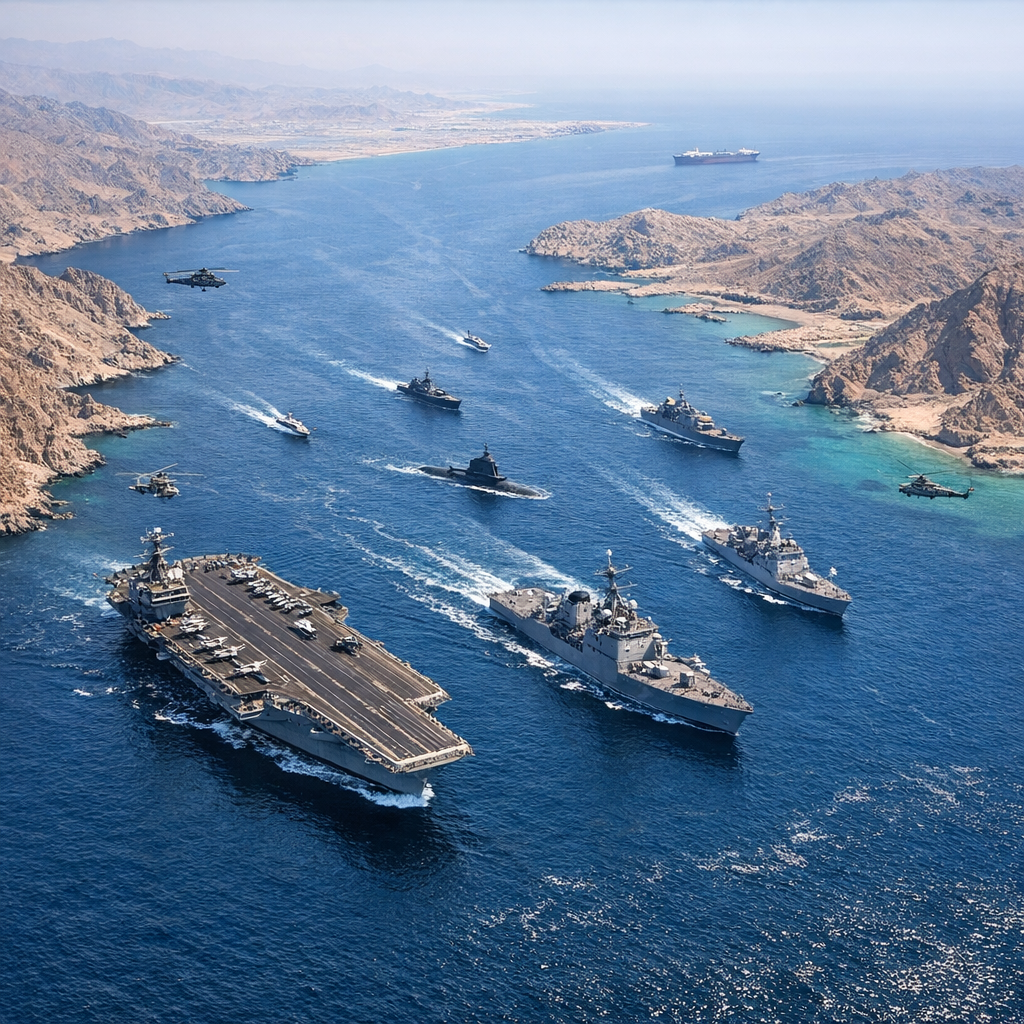
The Strait of Hormuz, a vital waterway for global oil transportation, has recently become a focal point of escalating tensions between the United States and Iran. This situation has significant implications not only for international relations but also for global economic stability.
Background of the Conflict
In early 2026, the United States and Israel initiated military strikes against Iran, leading to a series of retaliatory actions. A ceasefire was reached in April; however, recent incidents have threatened this fragile peace. Reports indicate that both nations have engaged in military clashes over the Strait of Hormuz, raising concerns about the potential for renewed conflict.
Strategic Importance of the Strait
The Strait of Hormuz is one of the world’s most critical chokepoints for oil transit. Approximately 20% of global petroleum passes through this narrow passage, making it a strategic asset for countries reliant on oil exports and imports. Any disruption in this region can lead to significant fluctuations in global oil prices, affecting economies worldwide.
Potential Implications
The recent hostilities have exposed deep-seated mistrust between the U.S. and Iran. Analysts suggest that these tensions may be tactical maneuvers by both sides to strengthen their positions in ongoing negotiations. However, the risk of miscalculation remains high, which could lead to unintended escalation and broader regional instability.
Conclusion
As the situation unfolds, it is crucial for the international community to monitor developments closely. Diplomatic efforts aimed at de-escalation and fostering mutual trust are essential to prevent further conflict and ensure the stability of global energy markets.