

By Michael Williams
Supreme Court Rulings Shift Focus on Birthright Citizenship and Agency Power
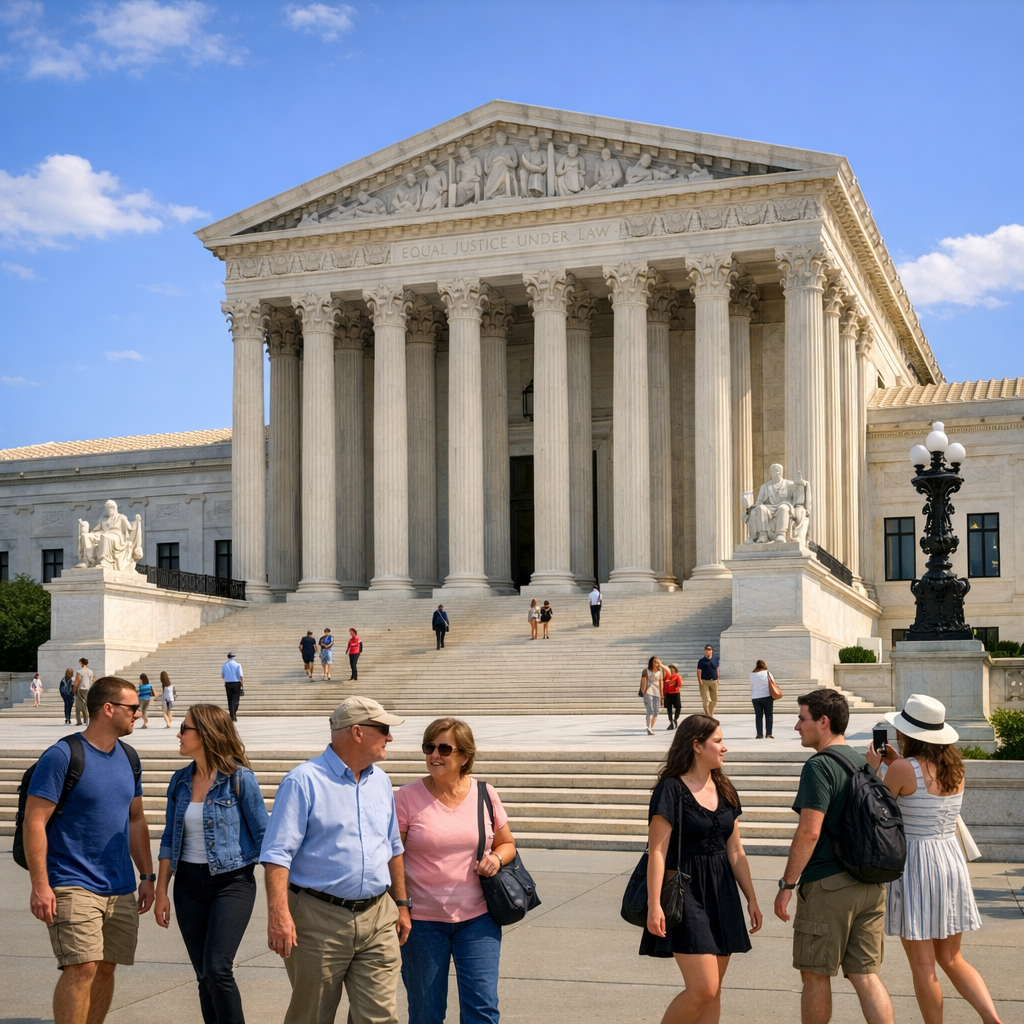
The U.S. Supreme Court recently upheld birthright citizenship under the 14th Amendment, rejecting an executive order that would have denied citizenship to children born in the U.S. to parents who are in the country illegally or temporarily. The court’s decision reinforces longstanding judicial interpretation that citizenship by birth is a constitutional right. It comes amid broader debates over presidential power and executive orders.
Another major ruling limited attempts by the executive branch to remove members of independent agencies—specifically, the case involving the president’s efforts to fire a Federal Reserve governor. The decision upheld congressional authority to impose checks on executive actions to preserve these bodies’ independence.
Economy, Inflation, and Public Sentiment
Inflation remains a central concern. Recent reports show inflation rates running above 3%, with energy and food prices contributing heavily. Though growth in the first quarter of the year matched recent trends, consumers continue to feel squeezed by rising costs for gas, groceries, and housing.
Meanwhile, job growth is steady but slower, and wages—when adjusted for inflation—are climbing more modestly. Surveys reveal declining consumer sentiment, tied closely to how voters view their personal finances and expectations for the economy.
How These Issues Feed into the Political Landscape
These developments—from court rulings to economic pressures—are feeding into voter priorities as the country heads into midterm elections. Key issues on many voters’ minds include immigration and border policy, economic inequality, healthcare, and elections and voting rights. The debate over what role independent agencies should play and how much power should rest with the executive branch also figures prominently.
Current polls suggest that satisfaction with institutions like public schools is falling, particularly among certain demographic groups. Many Americans express concern that national systems—including education, healthcare, and governance—are not responding quickly enough to evolving economic and social challenges.
What This Means Across States
For Compton and similar communities nationwide, the effects are real: school funding, social services, and local infrastructure depend heavily on state and federal policy. For example, court rulings on voting rights or agency power can affect how decisions are made at local levels. Inflation feeds into household budgets, affecting everything—from daily groceries to rent and transportation.
As political campaigns adjust their messaging, expect these cross-cutting issues—not just party labels—to shape debates in debates, forums, and elections over the months ahead.